Story not found
This article may have been removed or the link is incorrect.
← Return to briefing
local
Texas Standard for July 20, 2026: Big Bend's dark skies face a new threat
Summary by The Woodlands Editorial Desk Raul Alonzo , Texas Standard
· July 20, 2026
· 1 min read
The night skies over far West Texas are among the darkest in the continental United States, supporting world-class astronomy and attracting visitors from around the globe. Now, scientists and conservation advocates worry planned lighting along portions of the U.S.-Mexico border...
Story provenance No corrections
Summary created by The Woodlands Editorial Desk — automated, rule-governed Original reporting Raul Alonzo, Texas Standard Original story Read at the source Source published Jul 20, 2026 AI assistance Automated summary drawn from the source’s own published text Prepublication human review No — editorial rules, flagged-item review, and published samples
Every story comes with a passport. How we work · Corrections log
Key takeaway -Mexico border could permanently alter one of the region's defining natural resources.
Why this matters in The Woodlands
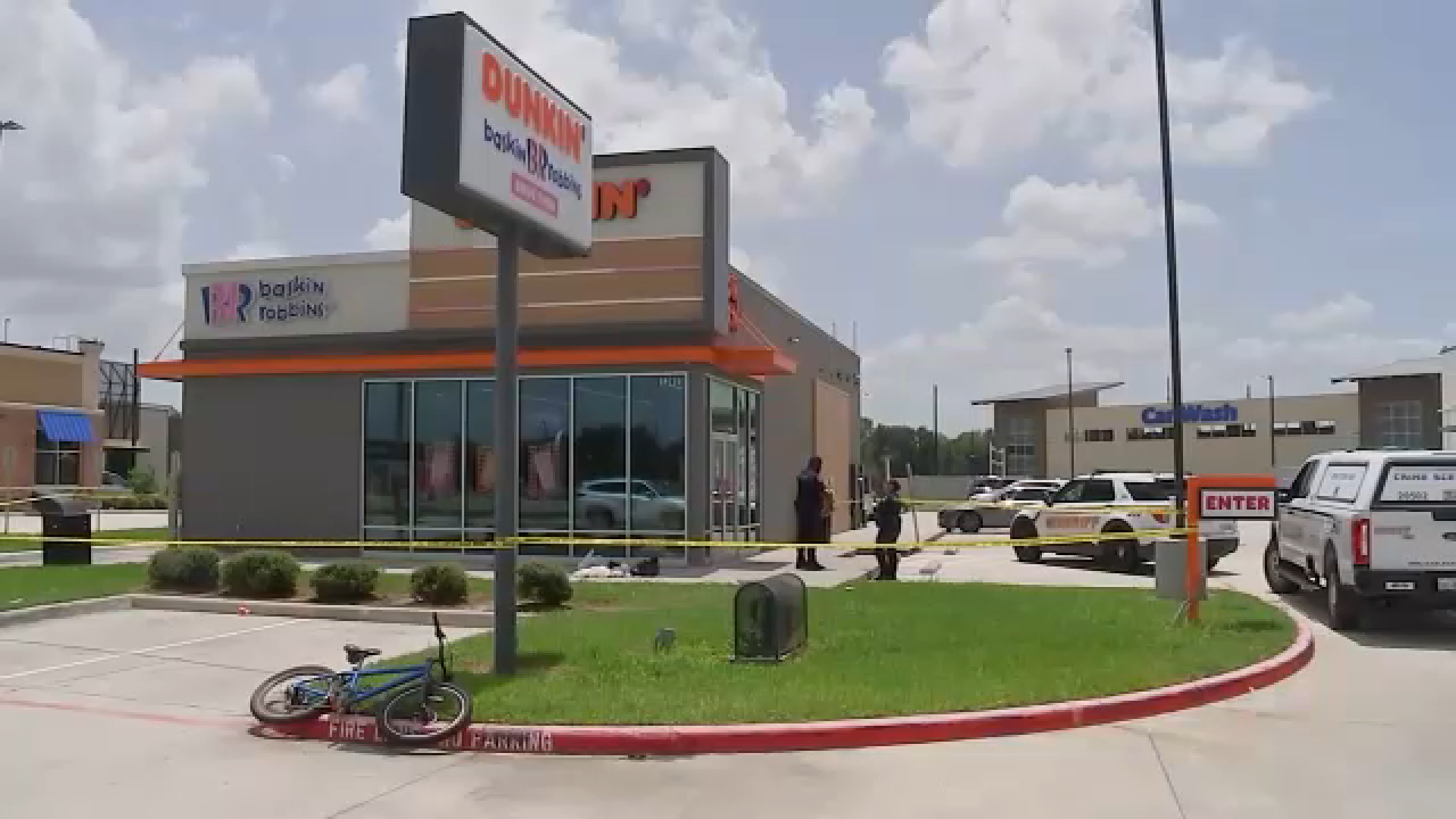
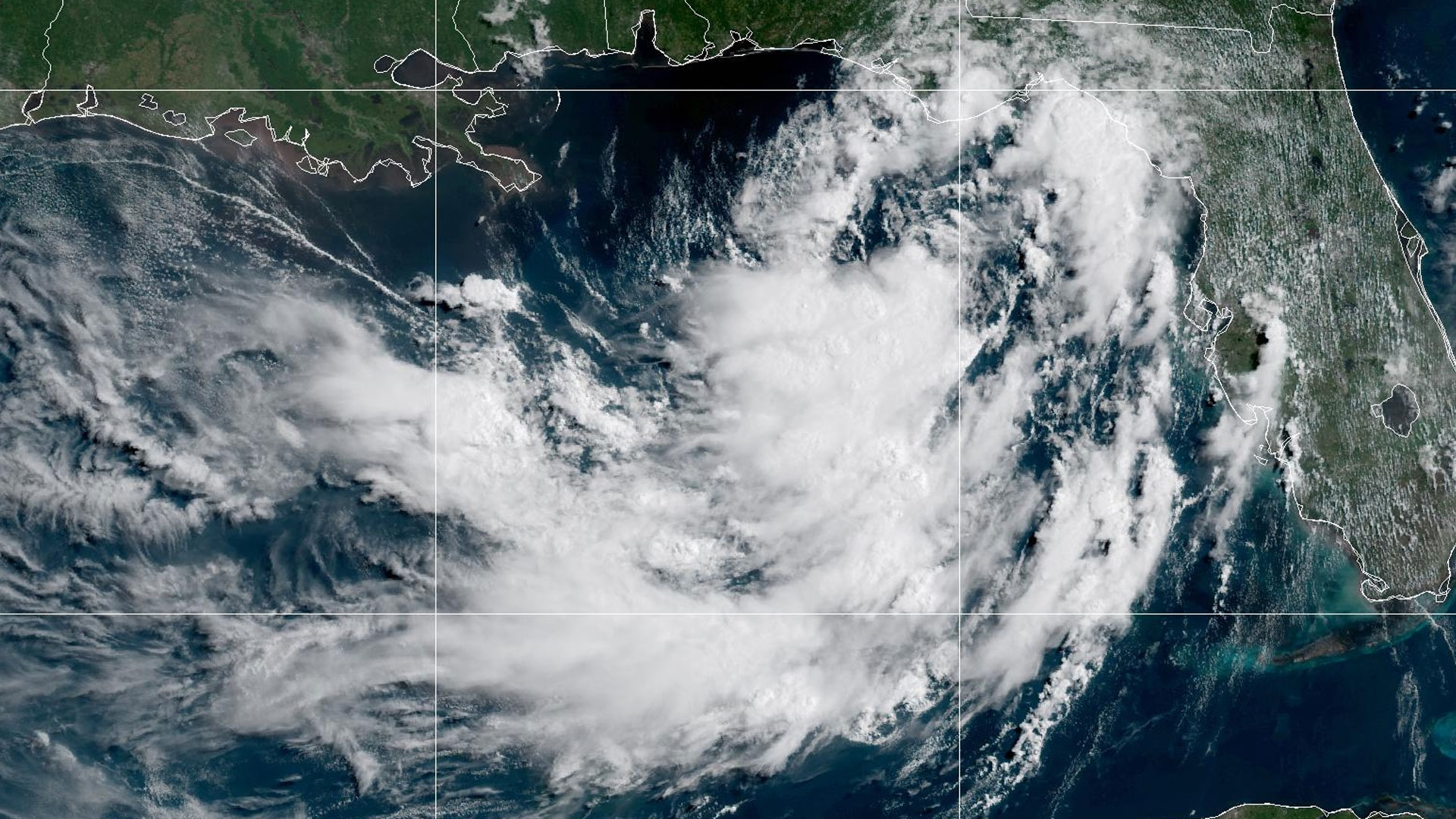
The conclusion of the standoff in southeast Houston brings a sense of relief to the surrounding community, but also raises questions about the potential ripple effects on neighboring areas, including The Woodlands. Given the proximity of The Woodlands to Houston, approximately 30 miles north, residents may be concerned about the potential for similar incidents to occur in their own community. The Woodlands Township and local law enforcement, including the Montgomery County Sheriff's Office, will likely be vigilant in monitoring the situation and taking steps to ensure public safety. The incident also highlights the importance of emergency preparedness and response in the region, which is already prone to natural disasters such as Gulf hurricanes and flooding. As the community processes the outcome of the standoff, residents of The Woodlands will be watching to see how local authorities respond and prepare for potential future incidents.
About this story
Original reporting by Texas Standard . The Woodlands surfaces reporting from trusted publishers and adds local editorial context so readers can quickly understand what a story means for their community. We attribute every source, link to the original report, and follow a documented editorial standards policy. To understand how stories are selected and reviewed, read our about page .
For the complete original report, visit Texas Standard . Have a tip or correction? Contact our newsroom .
Category: local Published: July 20, 2026 Source: Texas Standard Reading time: 1 min
Get more The Woodlands stories like this
Free weekly briefing covering local and other local news. Curated by our editorial team. No spam.
By subscribing you agree to our privacy policy . Unsubscribe anytime.
Frequently asked about this story
What is this story about? The night skies over far West Texas are among the darkest in the continental United States, supporting world-class astronomy and attracting visitors from around the globe. Now, scientists and conservation advocates worry planned lighting along portions of the U.S.-Mexico border...
When was this published? This article was first published on July 20, 2026 by Texas Standard and curated for The Woodlands readers.
Who reported this story? This story was reported by Raul Alonzo at Texas Standard. To learn more about how The Woodlands selects and reviews stories, see our editorial standards .
Where can I find related coverage? See more local coverage from The Woodlands, or browse our daily briefing and topic hubs .
← Back to all news
More local →
Today’s briefing
Subscribe to newsletter
Continue reading
This preview is provided by The Woodlands News. Full article available at